Storage for Wholesalers and Retailers: Compliance First
When people picture Storage for Wholesalers and Retailers, they usually think about shelf space and rent. The angle that separates professionals from amateurs in 2026 is compliance: storing diverse product lines safely, legally, and in conditions that protect both the goods and the people handling them. For Saudi traders juggling food lines, household goods, and chemical products in one catalogue, that distinction is everything.
This article takes a compliance-led view of Storage for Wholesalers and Retailers, with a close look at one category that trips up more businesses than any other: cleaning and chemical supplies. Get this right and you avoid fines, fires, and ruined stock. Get it wrong and a single incident can wipe out a quarter of profit.
Why Compliance Is the Backbone of Modern Storage
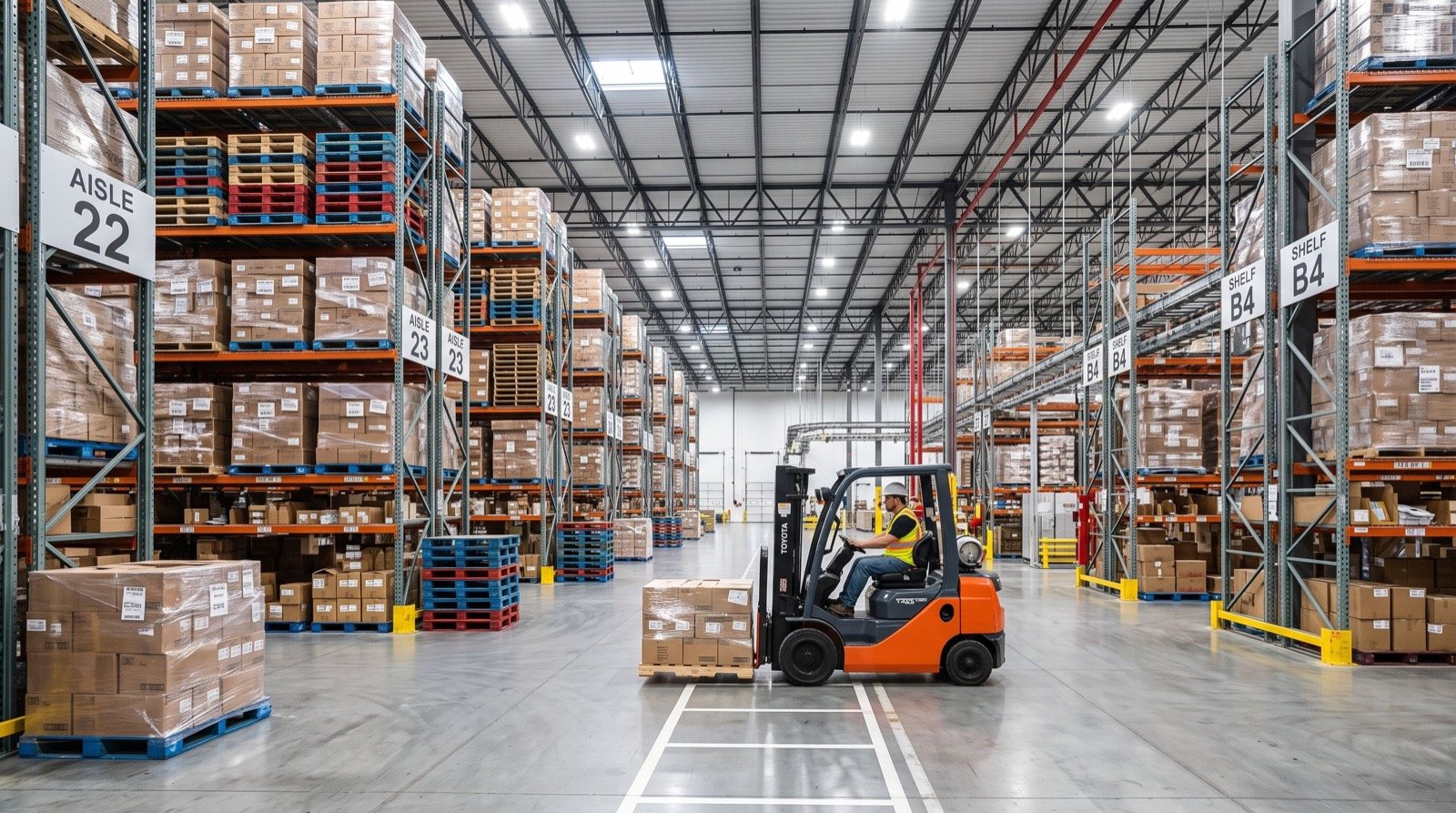
Wholesalers rarely store just one thing. A single distributor might hold packaged food, personal care items, and detergents on the same premises. Each category carries its own rules. The Saudi Food and Drug Authority sets standards for how consumable and sensitive products are handled, while national safety codes govern how hazardous and flammable materials are segregated. Treating every pallet the same is the fastest route to a failed inspection.
Compliant Storage for Wholesalers and Retailers is not bureaucracy for its own sake. It is risk management. Proper segregation stops cross-contamination, correct ventilation prevents fume buildup, and accurate labelling keeps staff safe and audits painless.
The categories most likely to cause trouble
- Chemicals and detergents that off-gas or react if stored near food.
- Aerosols that become fire hazards in heat without ventilation.
- Food and beverage lines that demand strict temperature and hygiene control.
- Mixed consumer goods where labelling errors cause recalls.
Storing Cleaning Supplies the Right Way
Cleaning products are deceptively hazardous. Bleaches, acids, solvents, and aerosols can corrode packaging, react with each other, and release harmful fumes in a hot, poorly ventilated space. This is exactly why dedicated Storage for Cleaning Supplies exists: segregated zones, proper ventilation, spill containment, and temperature control that keep volatile products stable and compliant.
Never store cleaning chemicals beside food, packaging, or textiles. Even sealed containers can leak vapour over time, tainting nearby stock and creating a health risk. A distributor who keeps detergents on the same rack as biscuits is one inspection away from a shutdown.
A simple segregation checklist
- Separate chemicals from all consumable and absorbent goods.
- Keep incompatible chemicals apart, for example acids away from bleaches.
- Store aerosols in cool, ventilated, fire-rated zones.
- Use spill trays and bunding under liquid stock.
- Label every zone clearly in Arabic and English.
- Keep safety data sheets accessible on site.
Comparing Storage Conditions by Product Type
Matching each category to the correct environment is the core skill of compliant warehousing. This table summarises the essentials:
| Product Category | Key Requirement | Main Risk if Ignored |
|---|---|---|
| Cleaning supplies | Ventilation and segregation | Fumes, fire, contamination |
| Packaged food | Hygiene and temperature | Spoilage, recalls |
| Aerosols | Cool, fire-rated storage | Explosion hazard |
| General retail goods | Dry, stable ambient | Packaging damage |
Working with trusted professionals who already operate compliant facilities means these controls are built in rather than bolted on. That is far cheaper than retrofitting a warehouse after a failed audit.
How Compliant Storage Protects Your Bottom Line
Compliance sounds like pure cost until you count what non-compliance actually destroys. A chemical leak can condemn an entire bay of stock. A fire from badly stored aerosols can end a business overnight. A failed inspection can suspend trading at the worst possible moment. Against those numbers, proper Storage for Wholesalers and Retailers is cheap insurance.
There is an upside too. Retail buyers and large chains increasingly audit their suppliers’ storage before signing contracts. A clean, compliant, well-documented warehouse becomes a selling point that wins business, not just a box you tick. As Saudi Arabia’s retail and logistics sectors mature through 2026, buyers reward suppliers who can prove their goods are stored to standard.
Documentation that pays for itself
- Up-to-date safety data sheets for every chemical line.
- Clear zone maps showing segregation.
- Temperature and inspection logs.
- Staff training records on handling procedures.
This paperwork turns a routine audit from a stressful scramble into a quick formality, and it signals professionalism to every buyer who walks the floor.
Training Staff to Keep Storage Compliant
Even the best-designed warehouse fails if the people working it do not follow the rules. Compliance lives or dies with daily habits, not one-off setup. Every team member who touches stock should understand why detergents never sit beside food, why aerosols stay in ventilated zones, and why a leaking container is reported immediately rather than wiped and forgotten.
Practical training does not need to be complicated. A short induction, clear bilingual signage, and a simple one-page handling guide for each hazardous category cover most risks. The key is repetition. Reinforce the rules during shift briefings, and make reporting spills or damaged packaging a normal, blame-free part of the routine. A culture where staff flag problems early stops small issues from becoming expensive incidents.
Documenting that training also matters. When an inspector asks who is responsible for chemical segregation, a signed training log answers the question instantly. For growing wholesalers hiring new staff regularly, a repeatable training process keeps compliant Storage for Wholesalers and Retailers consistent as the team expands through 2026 and beyond.
Frequently Asked Questions
Can I store cleaning supplies in the same warehouse as food?
In the same building sometimes, but never in the same zone. Cleaning chemicals must be fully segregated from food and absorbent goods, with their own ventilation and spill controls. Dedicated Storage for Cleaning Supplies solves this cleanly.
What makes storage compliant for a Saudi wholesaler?
Correct segregation of incompatible goods, proper ventilation and temperature control, clear bilingual labelling, accessible safety documentation, and trained staff. Following SFDA and national safety standards keeps you inspection-ready.
Is outsourcing safer than running my own chemical store?
Usually yes. Specialist facilities already have fire-rated zones, ventilation, and spill containment built to code, plus staff trained in handling. Replicating that in a general warehouse is expensive and error-prone.
How often should storage be inspected?
Run internal checks monthly and keep logs, with a fuller review quarterly. Many problems, such as corroded containers or blocked ventilation, develop slowly and are caught early only through regular inspection.
Conclusion: Make Compliance Your Competitive Edge
The traders who thrive in 2026 treat compliance not as a burden but as a badge. Proper Storage for Wholesalers and Retailers protects stock, staff, and reputation, while dedicated handling of cleaning and chemical lines removes the single biggest hidden risk in mixed-catalogue warehousing. Audit your zones, segregate your chemicals, document everything, and partner with specialists who already meet the standard. Do that, and compliant storage stops being a cost and starts winning you contracts. Review your facility today and close the gaps before an inspector or an accident finds them first.